Autonomous Vehicle Mission Planning
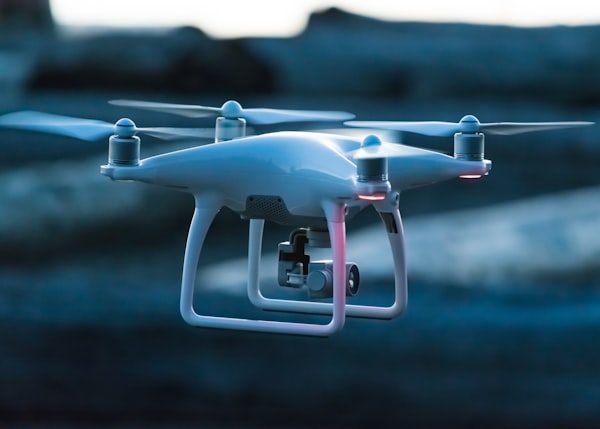
UAVs, UGVs, and autonomous maritime vessels need routing at machine speed. A UAV mission with 15 target waypoints, no-fly zones, and dynamic threats requires continuous optimization.
With Route Genome, every permutation of the target set — with every combination of exclusion zones — is precomputed and immediately available. Mission re-planning happens in milliseconds.
For swarm operations, Route Genome provides the routing backbone to assign and sequence waypoints across the swarm in real time.

Pre-Planned Target Sets with Dynamic Adjustment
Consider a strike drone with 13 waypoints (A through M). Before launch, the UTRM subset covering all permutations is loaded onboard.
During flight, if targets D, E, and J are removed — the optimal route for the remaining 10 targets is retrieved instantly from onboard storage.
No communication with a ground station required. No computation delay. No mission abort. The vehicle adapts in flight, at machine speed, using provably optimal routing.

Friendly Unit Protection & Exclusion Zones
Grid points corresponding to friendly positions or civilian areas are designated as exclusion zones. All precomputed routes automatically avoid these points.
When positions change during operations, the UTRM is re-queried — returning optimal routes for new constraints without recomputation. A systematic, automatic layer of fratricide prevention and civilian protection.
Loitering & Time-On-Station Optimization
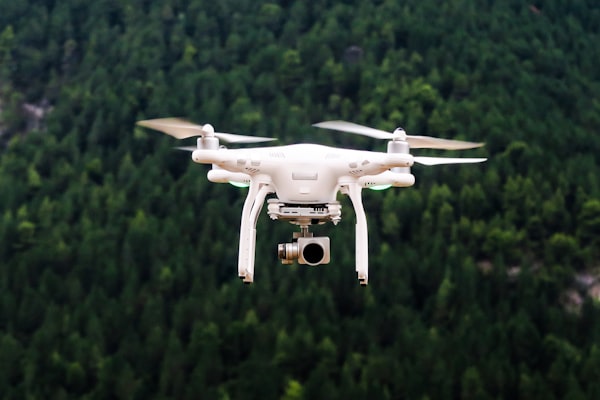
Loitering munitions, ISR platforms, and relay drones need to maximize time on station while conserving energy and avoiding threats.
The reverse formulation computes the most efficient extended route under constraints. If the situation changes and immediate action is needed, the vehicle transitions to the shortest-path solution instantly.
Military Logistics & Resupply
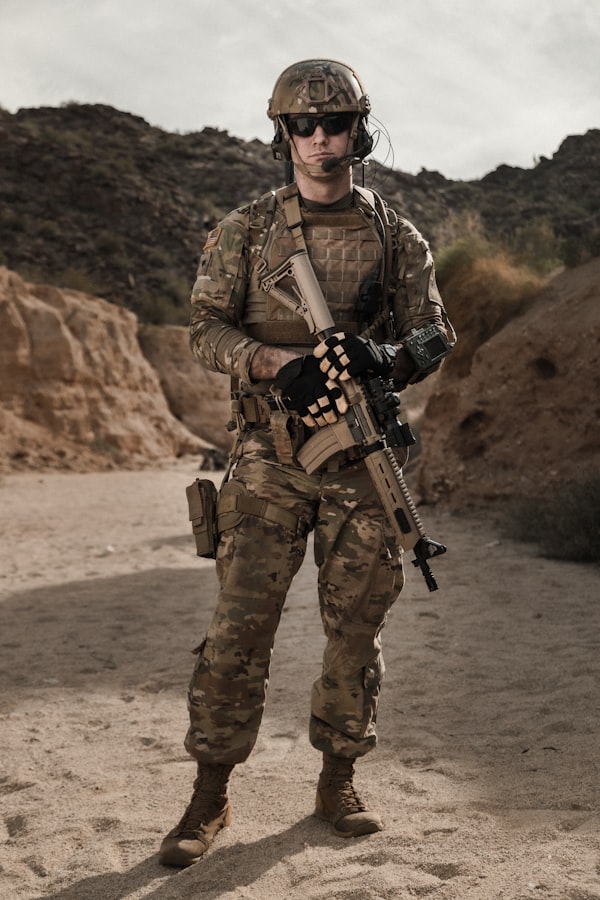
Movement of fuel, ammunition, food, and medical supplies across a battlefield — one of the most complex routing problems in existence.
Route Genome handles multiple depots, destination types, dynamic exclusion zones, time-window constraints, and vehicle differences. Route planning transforms from a multi-hour staff process into a seconds-long query.
Communication-Denied Environments
For platforms under RF jamming, electronic warfare, or OPSEC requirements, the UTRM is fully preloaded before deployment.
No connection to any external network required at any point during the mission. Route Genome's tactical advantages are available in exactly the environments where traditional systems fail.
Multi-Domain Operations
Route Genome's domain-agnostic architecture operates on any coordinate space. Air missions, ground convoys, naval patrol patterns, satellite pass sequencing, and cyber operations can all be modeled on Route Genome grids. A single UTRM architecture serves as the routing backbone for fully integrated multi-domain operations.